
How Much Does Wedding Lighting Cost in 2026?
A practical guide to wedding lighting prices, what affects the cost, and where your budget makes the biggest difference.
One of the most common questions couples ask is: “How much should we budget for wedding lighting?”
The honest answer is that it depends on your venue, the size of the space and how ambitious you want the transformation to be. A few carefully placed lights can make a huge difference, while a full venue transformation needs more planning, equipment and installation time.
After more than twenty years lighting weddings at barns, marquees, country houses and estates across the South West and beyond, we have learned that lighting is often one of the biggest factors in how a venue feels once the sun goes down. This guide explains typical wedding lighting prices in 2026 — as ranges, not fixed packages — so you can plan sensibly and know where your budget will have the most impact.
| Venue Type | Typical Lighting Budget |
|---|---|
| Small Barn | £600–£1,200 |
| Large Barn | £1,000–£2,500 |
| Country House | £600–£2,000 |
| Marquee | £1,000–£5,000+ |
Every venue is different, but these ranges provide a useful planning guide. For country house weddings, our Babington House wedding guide shows how lighting fits a real Soho House celebration.
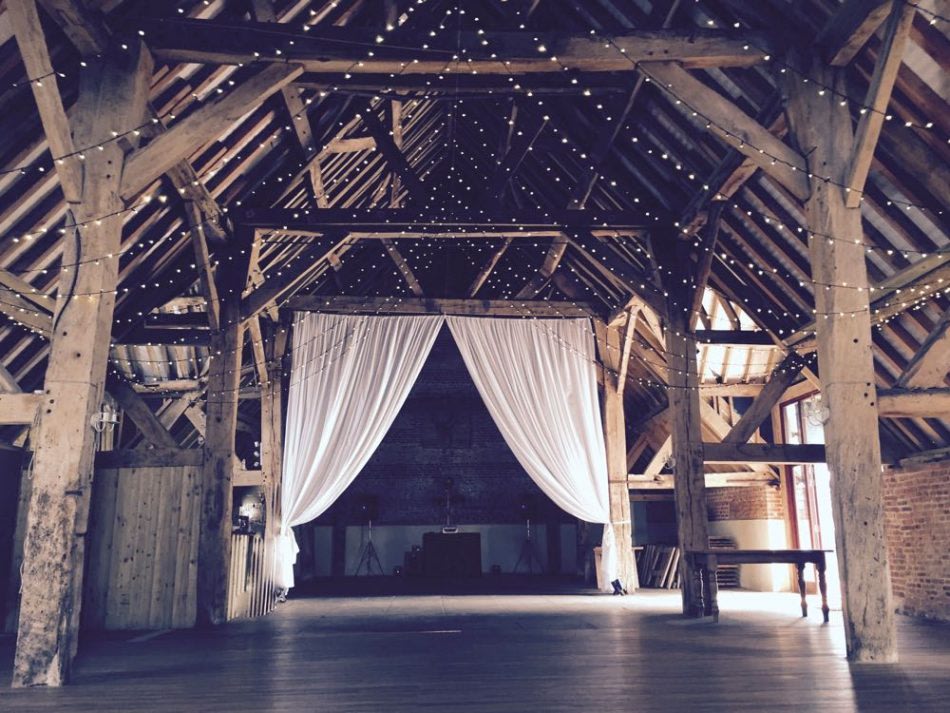
1. Why Wedding Lighting Matters
Most venues look completely different after sunset. What felt bright and airy at 4pm can feel flat, cold or cavernous by 8pm — unless someone has planned for that shift.
Good lighting does not just make a room brighter. It changes how a room feels.
- Dinner atmosphere — warm, flattering light keeps guests relaxed and makes speeches and toasts feel intimate.
- Photographs after dark — your photographer relies on ambient light; harsh overhead fluorescents or a pitch-black barn are both difficult to work with.
- Movement between rooms — corridors, bars and breakout spaces need continuity so the evening flows naturally.
- Outdoor spaces — terraces, gardens and courtyards often host drinks, fire pits or quiet conversations once dancing starts inside.
- The transition to dancing — lighting that builds energy without feeling like a school disco is one of the hardest things to get right, and one of the most memorable when it works.
If you are still exploring what is possible, our wedding lighting page shows the kinds of installs we deliver at real venues — not stock Pinterest boards.
2. Typical Wedding Lighting Budgets
Every wedding is different, but these guide ranges reflect what we typically see for professional wedding lighting hire in 2026. They are not quotes — your venue, access and design will move the number up or down.
Simple enhancement
£300–£600
Targeted uplighting, a small dancefloor rig or exterior accent lighting where one element makes a clear difference.
Most weddings
£600–£1,500
A considered combination — often uplighting, dancefloor lighting and some exterior or bar lighting working together.
Full venue transformation
£1,500–£5,000+
Canopies, extensive rigging, multiple rooms, marquees or large outdoor areas — design, crew and install time all increase.
These wedding lighting budget ranges depend on venue access, setup windows, ceiling height, rigging requirements and how much of the site you want to cover — not simply how many lights you hire. Where styling and lighting work together, our venue styling team can help you plan both as one atmosphere.
3. Wedding Uplighting Cost
Typical investment
£300–£900
Uplighting is often the best place to start when couples ask about wedding lighting cost. It is relatively quick to install, works in barns, orangeries, country houses and marquees, and highlights walls, beams and architectural detail that disappear in flat overhead light.
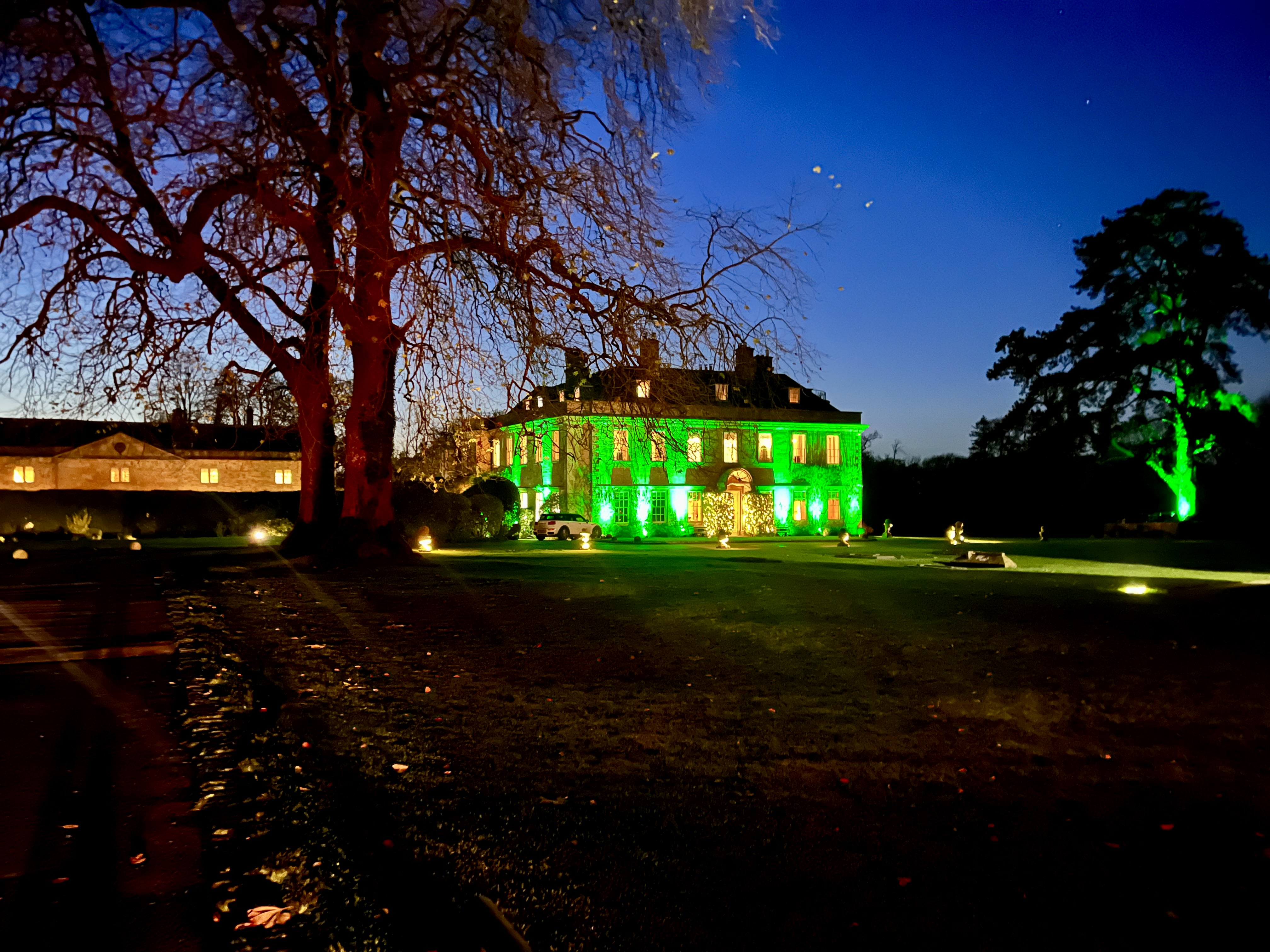
We have used uplighting at barns and country houses to warm stone, timber and plaster without overpowering the room. Our Babington House wedding guide is a useful country house example; at Mells Barn, we know the rigging points and power circuits well. Colour, quantity and programming all affect the final investment.
4. Fairy Light Canopy Cost
Typical investment
£800–£3,000+
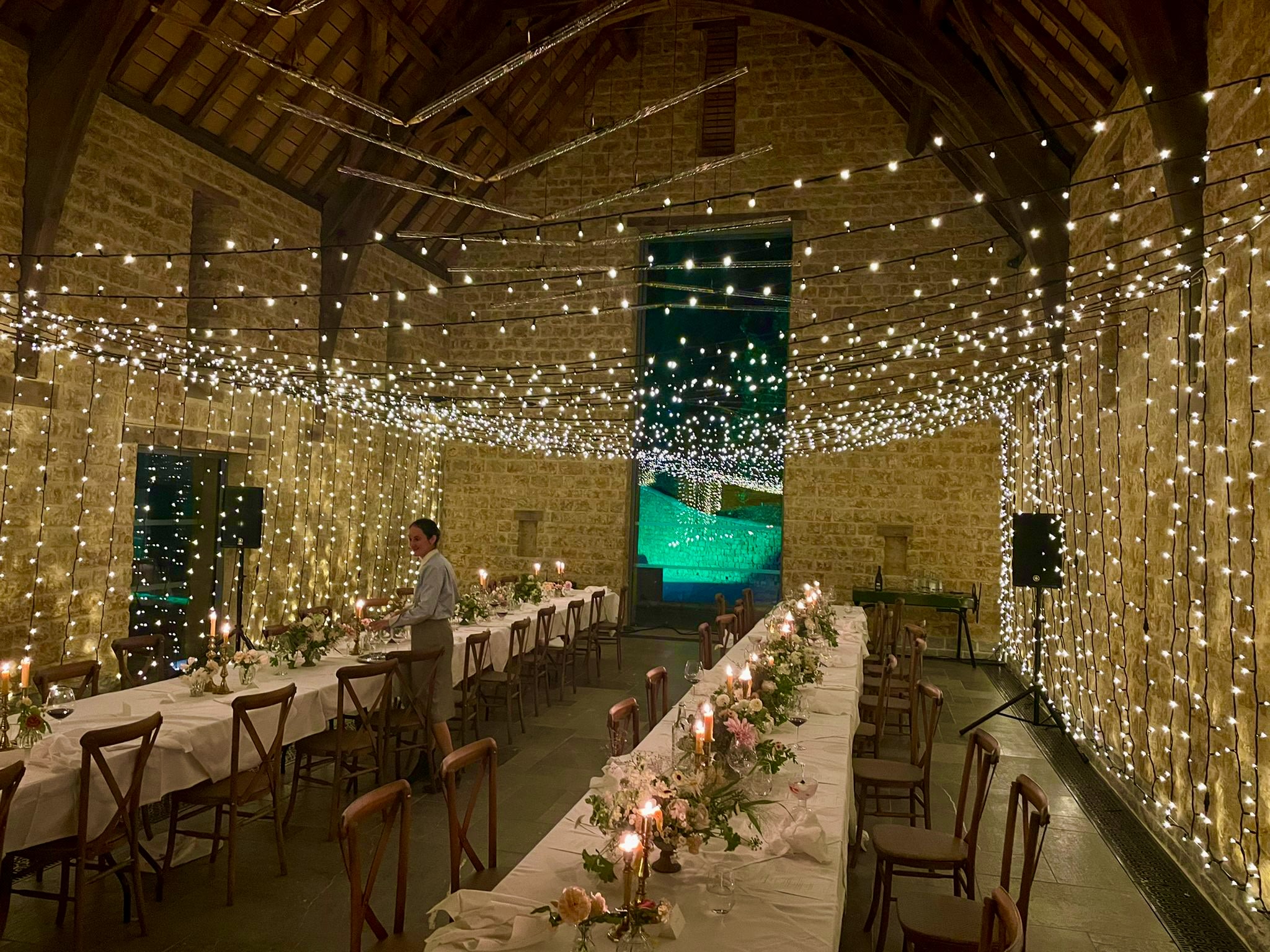
A fairy light canopy creates that ceiling-of-stars effect couples remember long after the wedding. It is dramatic in barns and marquees — but cost varies widely.
Ceiling height, rigging points, access for ladders or lifts, and the area you need to cover all push the fairy light canopy cost up or down. A partial canopy over the dancefloor sits at the lower end; a full barn ceiling with multiple rigging runs sits at the upper end.
5. Festoon Lighting Wedding Cost
Typical investment
£300–£1,500+
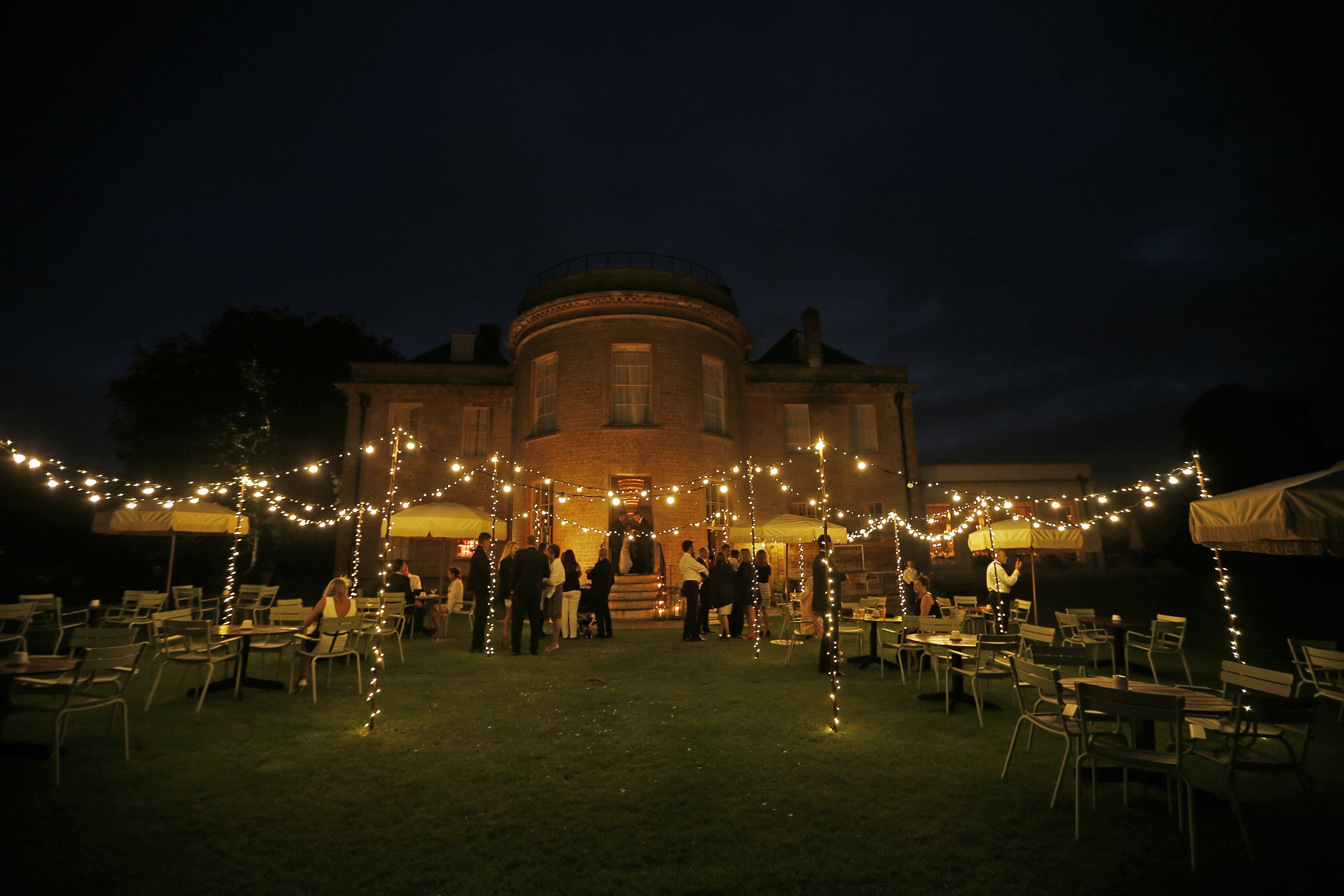
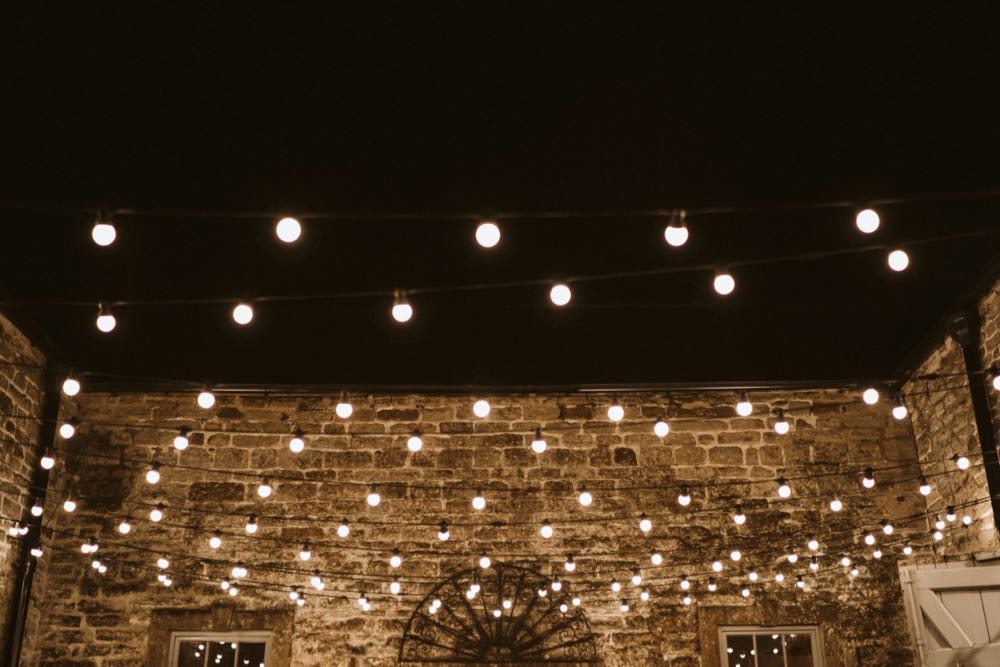
Festoon lighting suits courtyards, gardens, terraces and outdoor dining areas — anywhere you want warmth and a relaxed, celebratory feel after dark. Indoors, it works equally well in stone coach houses and barns where you want to fill a high ceiling without a full rig.
The festoon lighting wedding cost is rarely about the bulbs alone. Cable runs, fixing points, weather protection and power distribution across a garden or courtyard often account for a significant part of the install.
6. Exterior & Outdoor Lighting Costs
Typical investment
£400–£2,000+
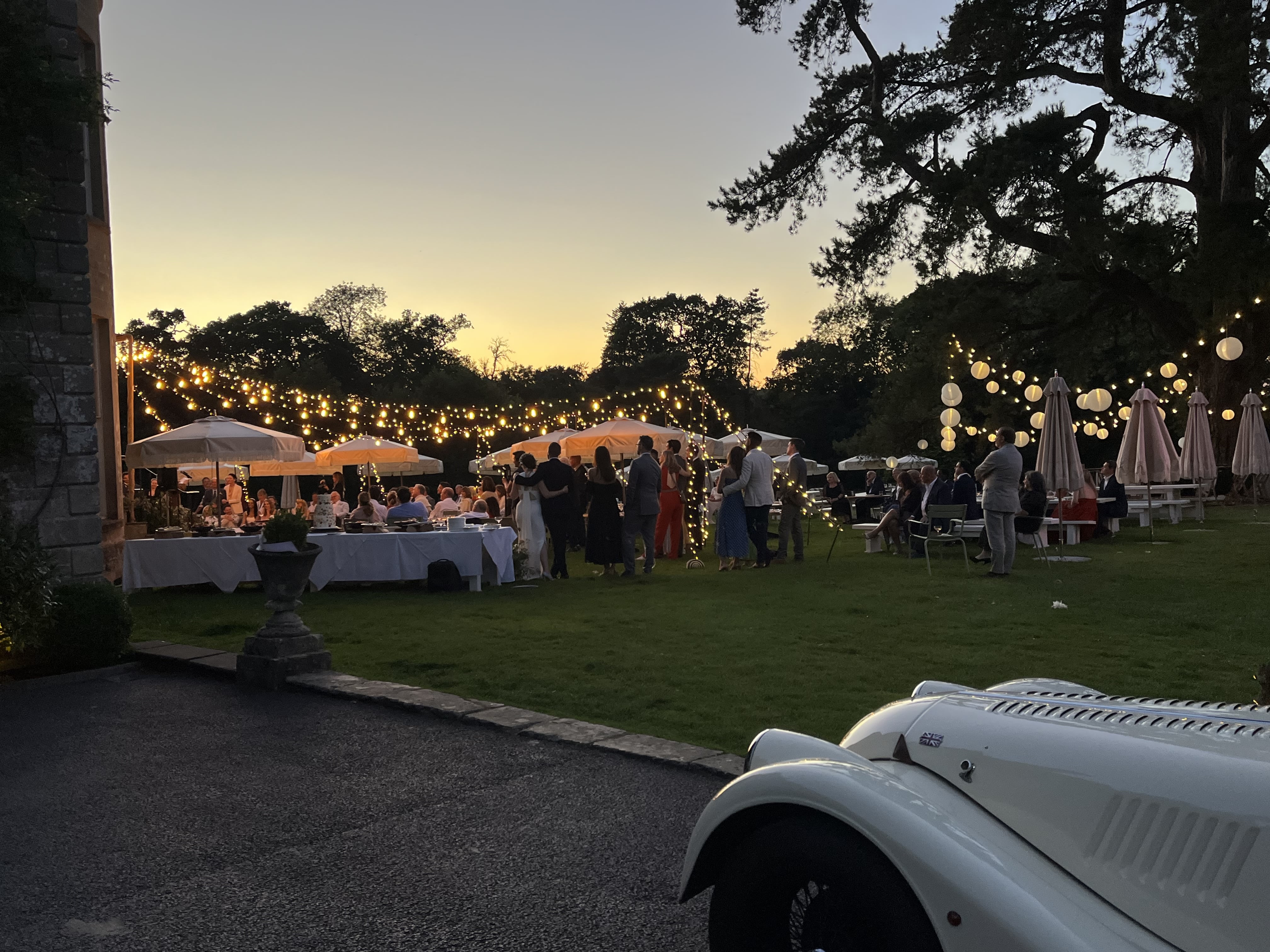
Building washes, tree lighting, pathways, arrival routes and lit courtyards keep outside spaces connected to the reception once the sun sets. Guests move between bar, terrace and garden throughout the evening — if those areas are dark, the flow breaks.
Outdoor power, weather and access all affect pricing. Tree lighting and building washes need safe rigging and often more crew time than a row of uplighters indoors.
7. Dancefloor Lighting Cost
Typical investment
£300–£1,500+
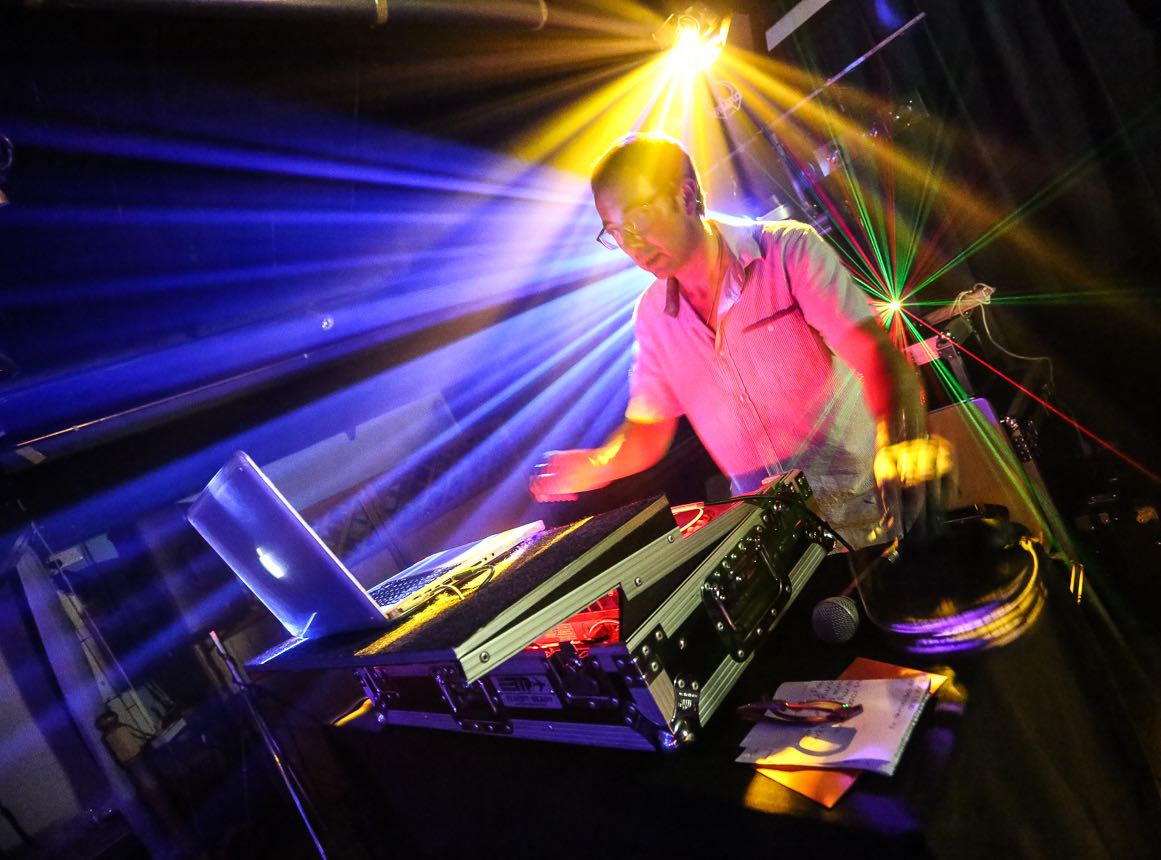
Dancefloor lighting depends on room size, ceiling height and the kind of music you are planning. A small barn with a low ceiling needs a different approach to a marquee with a 4-metre ridge.
We generally favour intelligent lighting and mirror balls over effects that dominate the room rather than enhance it. Well-placed wash and moving lights often create more atmosphere — and better photographs — than an aggressive light show. See our Party Lighting work for examples of dancefloor rigs at private celebrations.
8. Mirror Ball Costs
Typical investment
£150–£1,000+
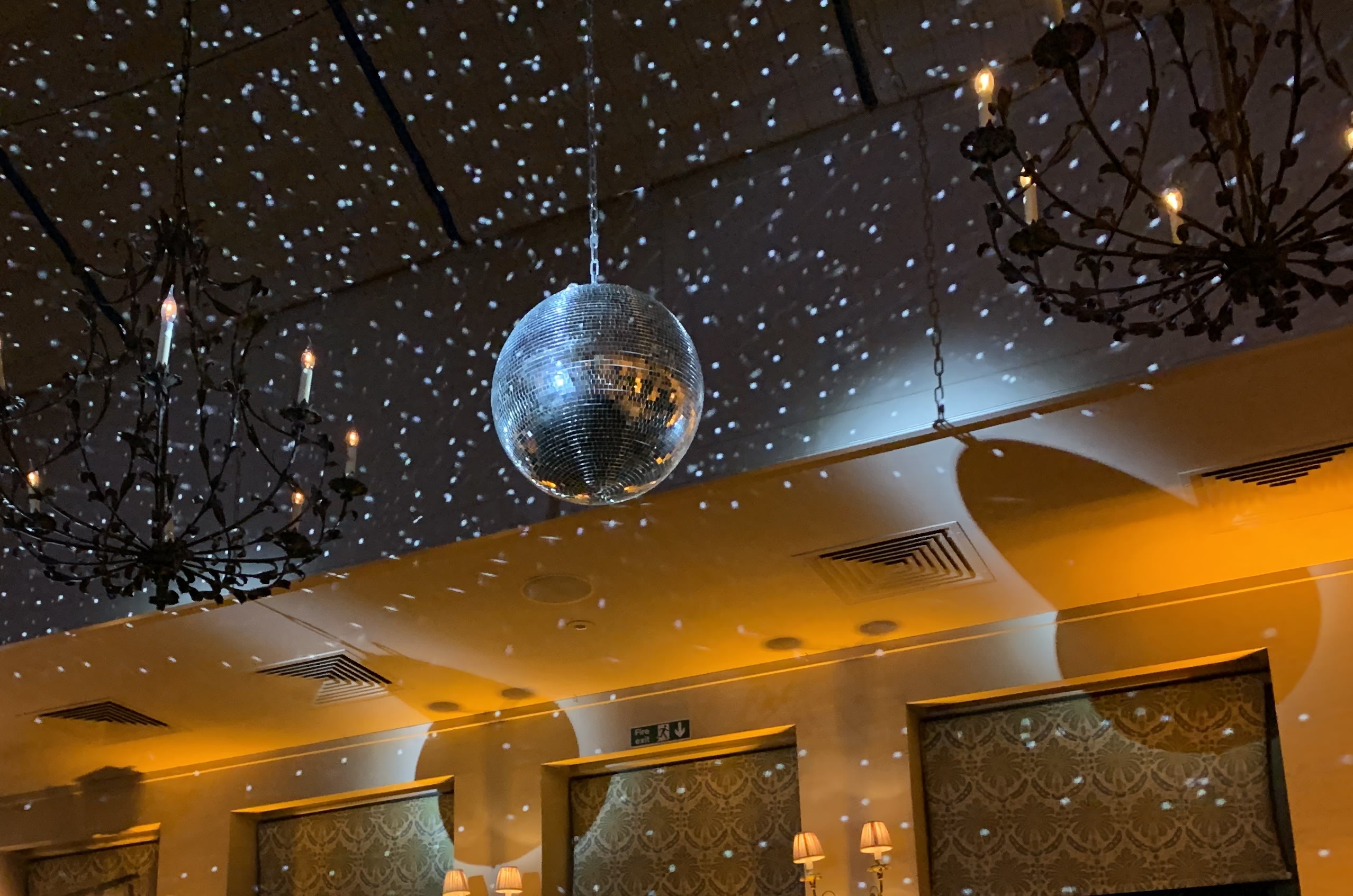
Mirror balls add movement and glamour without overwhelming a room — when they are the right size and rigged at the right height. A single ball over a dancefloor is modest; multiple balls with motorised rigging and coordinated wash lighting sits higher.
Size, quantity, rigging height and whether you need additional fixtures to make the ball read in a large space all affect cost.
9. Barn Wedding Lighting Cost
Typical investment
£800–£3,000+
Barns often need warmth, texture and structure. Exposed beams, uneven floors and limited fixed lighting mean a barn wedding rarely succeeds with uplighting alone.
Fairy lights, uplighting, dancefloor lighting and outdoor areas often work together. At Mells Barn, for example, we know the rigging points, power and flow of the space — that knowledge saves time on the day and helps couples spend wisely.
10. Marquee Wedding Lighting Cost
Typical investment
£1,000–£5,000+
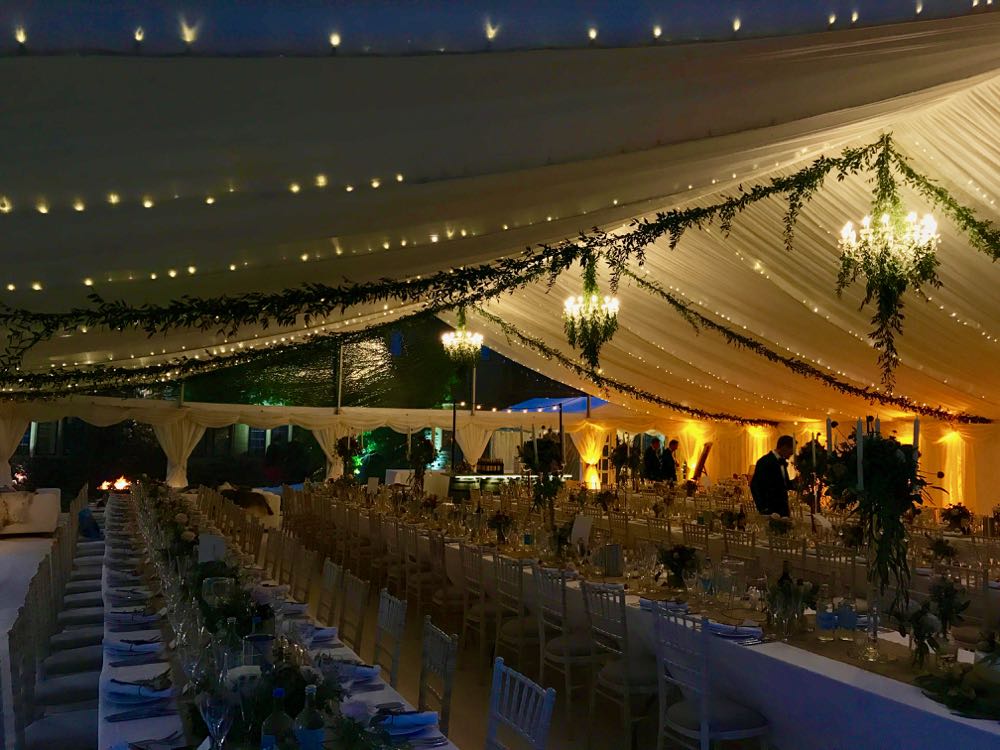
Marquees are blank canvases. You are not enhancing an existing room — you are building atmosphere from scratch. Dining lighting, a canopy, dancefloor rig, entrance lighting and exterior festoon often all need to work as one design.
The marquee wedding lighting cost reflects that scope. Full design matters more than individual fixtures: a coherent plan beats a shopping list of hire items. For more on what we deliver, see our Wedding Lighting service.
11. What Actually Drives The Cost?
When couples compare wedding lighting prices, they often focus on the number of lights. In practice, these factors move the quote more than anything:
- Venue access — loading bays, stairs, restricted hours and distance from the van to the rig point.
- Setup window — a same-day turn around between ceremony and reception limits what is achievable.
- Ceiling height and rigging — high barns and marquees need ladders, lifts or truss.
- Coverage area — one room versus dining, bar, dancefloor, corridor and garden.
- Installation and de-rig time — complex canopies take hours to build and strike safely.
- Crew requirements — larger installs need more hands on site.
- Outdoor power and weather — IP-rated kit, cable protection and contingency planning.
Our lighting services page explains how we approach site visits and planning — the conversation matters as much as the equipment list.
12. Common Wedding Lighting Mistakes
- Only lighting the dancefloor — guests spend most of the evening at dinner, at the bar and outdoors; neglect those spaces and the room feels disjointed.
- Forgetting outdoor spaces — terraces and gardens go dark first; plan for them early.
- Choosing effects that fight the venue — aggressive colour or cheap disco fixtures clash with a country house or barn aesthetic.
- Leaving lighting too late — by the time you book, access windows and crew availability shrink.
- Not checking venue permissions — some venues restrict rigging, candles, external suppliers or late setup.
- Ignoring setup and de-rig access — if the marquee company and lighting crew cannot coordinate, costs and stress both rise.
Lighting and venue styling work best when planned together — drapery, props and light should complement each other, not compete.
13. Where Should You Spend Your Budget?
Every venue is different, but if your wedding lighting budget is limited, this order often delivers the most visible improvement:
- Uplighting — fastest way to change how the whole room feels at dinner.
- Dancefloor lighting — builds energy for the evening without re-lighting the entire barn.
- Outdoor lighting — keeps drinks, fire pits and conversation spaces usable after dark.
- Fairy light canopy — stunning, but often the largest single line item; worth prioritising if the ceiling is a focal point of your venue.
A short conversation about your venue usually clarifies which of these will matter most on your date.
14. Final Thoughts
Wedding lighting affects every guest, every photograph and every part of the evening. The goal is not simply to add lights. The goal is to create atmosphere.
Whether you are planning a modest uplight in a Somerset barn or a full marquee transformation, honest planning beats guessing at package prices. We would rather help you understand how much wedding lighting costs for your specific venue than sell you equipment you do not need.
Frequently Asked Questions
How much does wedding lighting cost?
Most couples spend between £600 and £1,500 on wedding lighting hire, with simple enhancement from around £300–£600 and full venue transformations often reaching £1,500–£5,000 or more. Your venue, access and design ambition determine where you sit in that range.
What is the cheapest way to improve wedding lighting?
Uplighting is usually the most cost-effective upgrade — typically £300–£900 for a meaningful change to walls, beams and overall atmosphere without a full rig or canopy.
How much does a fairy light canopy cost?
Expect £800–£3,000 or more, depending on ceiling height, rigging access and how much of the space you cover. High barns and large marquees often sit at the upper end.
Is uplighting worth it for a wedding?
Yes. It is one of the best-value investments in wedding lighting — quick to install, visible in photographs and effective in barns, orangeries, country houses and marquees.
How early should we book wedding lighting?
As soon as your venue and date are confirmed — ideally six to twelve months ahead for peak season. Early booking allows a proper planning conversation and avoids last-minute access problems.
Planning your wedding lighting?
Tell us your venue, date and the kind of atmosphere you want to create — we will suggest where lighting will make the biggest difference. For private celebrations beyond the wedding, see our party planning and production.